


 by Konstantin
  02 Mar, 2026
 Escalation of the Conflict in the Middle East and New Risks for Global Shipping
The beginning of 2026 once again drew the attention of the global maritime community to the situation in the Middle East. Rising tensions in the Persian Gulf and the Strait of Hormuz have caused concern among shipping companies, fleet operators, and participants in international trade. For global maritime logistics, this region holds strategic importance, therefore any changes in the situation here quickly affect the entire transportation system.
The Strait of Hormuz — a key artery of global trade
The Strait of Hormuz connects the Persian Gulf with the Indian Ocean and is considered one of the most important maritime routes on the planet. A massive volume of tanker and commercial shipping traffic passes through this relatively narrow stretch of sea.
For the energy market, the importance of the strait is difficult to overestimate: a significant share of oil and petroleum product exports from Persian Gulf countries passes through this corridor. As a result, any threats to shipping security in this area inevitably impact international trade and transport flows.
Incidents in the region and strengthened security measures
In recent weeks, several incidents related to threats to commercial vessels have occurred in the waters of the Persian Gulf. Some tankers have been damaged, prompting increased attention to maritime security in the region.
Against the backdrop of these events, part of the fleet temporarily suspended movements while awaiting further guidance from operators and security services. Shipping companies have begun to more carefully assess the risks of passing through potentially dangerous areas.
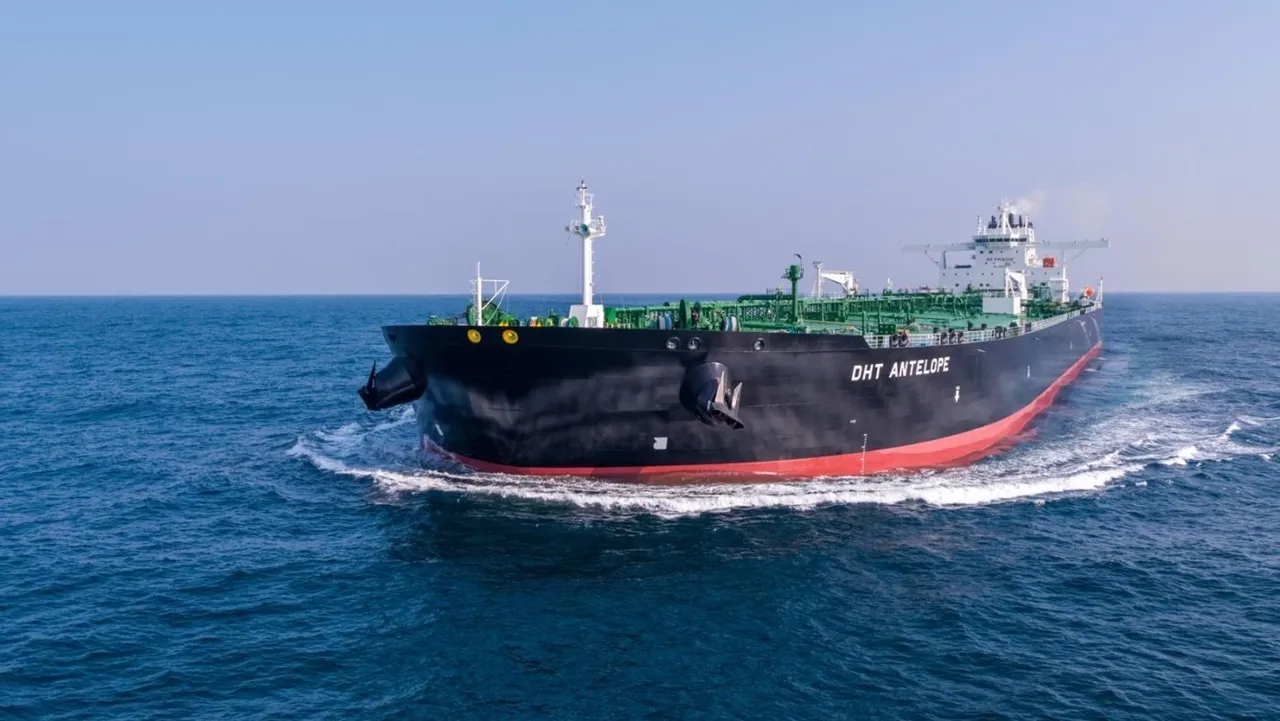
Response of the shipping industry
Any instability in key maritime regions quickly affects the operations of shipping companies. Fleet operators strengthen voyage safety requirements, review routes, and evaluate possible alternative shipping paths.
At the same time, the insurance market also responds to developments in the region. For vessels passing through high-risk zones, insurance rates increase along with additional war-risk surcharges. These factors directly affect the cost of maritime transportation.
Impact on global logistics chains
Disruptions in strategically important maritime corridors always have consequences for the global economy. Even short-term delays in vessel movements can lead to longer delivery times, higher freight costs, and additional pressure on ports.
Maritime logistics is a complex and interconnected system, therefore events in one region can influence transport flows in other parts of the world.

Prospects and further developments
The shipping industry traditionally demonstrates a strong ability to adapt to external challenges. Nevertheless, the current situation in the Middle East once again highlights how important stability in strategic maritime regions is.
The security of key trade routes remains one of the main factors of stability for the global economy. In the near future, developments in the Persian Gulf region will remain in the spotlight for both the maritime industry and the international trade community.
Sources: Reuters, Associated Press (AP News), Euronews, Al Jazeera, BBC News, The Washington Post, Times of India, U.S. Energy Information Administration (EIA), BIMCO maritime reports.