



 by Konstantin
  31 Jul, 2026
 A Seafarer’s First Contract: How to Properly Prepare for Work at Sea
The first contract is one of the most important milestones in every seafarer's career. It marks the beginning of a professional journey, provides valuable practical experience, and opens the door to employment with international shipping companies. However, successful employment depends not only on a diploma or the desire to work, but also on high-quality preparation.
Required Documents
Before starting work, every seafarer must have a complete set of valid documents. These may include:
- a diploma or certificate corresponding to the position;
- a Seafarer's Identity Document;
- a valid passport;
- STCW certificates;
- a valid medical certificate;
- any additional documents required by the shipping company.
It is important to check the validity of all documents well in advance, as expired certificates or documents may result in refusal of employment.
Practical Skills Are Just as Important
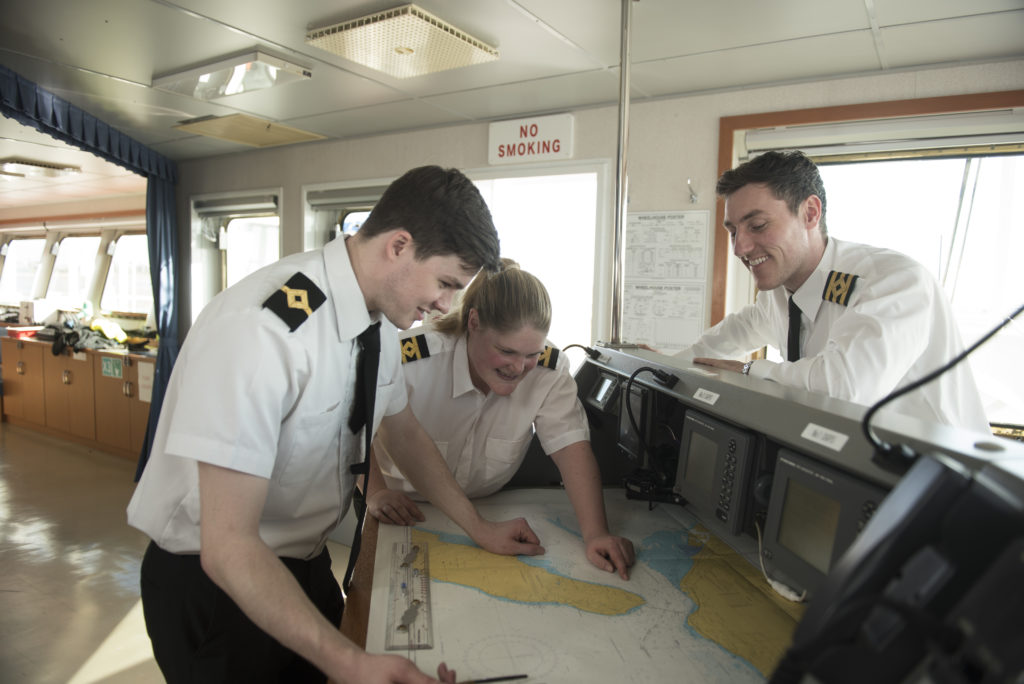
Modern vessels are equipped with advanced navigation and technical systems. Therefore, employers expect candidates not only to possess theoretical knowledge but also to be able to apply it in practice.
Training on modern simulators helps to:
- practice actions in both routine and emergency situations;
- learn how to operate modern onboard equipment;
- improve teamwork within the crew;
- gain confidence before embarking on the first voyage.
Practical training significantly facilitates adaptation to work onboard.
English Is an Essential Part of the Profession
On most international vessels, English is the working language. It is used for communication among crew members, documentation, and communication with port authorities.
Knowledge of Maritime English enables seafarers to:
- correctly understand instructions and commands;
- communicate effectively with the crew;
- avoid misunderstandings while performing duties;
- successfully pass interviews with shipping companies.
Psychological Readiness
Working at sea involves long voyages, changes in time zones, significant responsibility, and spending extended periods away from family.
Before signing the first contract, it is important to be prepared for:
- working according to a strict schedule;
- strict compliance with safety regulations;
- living and working in a multinational crew;
- quick adaptation to new conditions.
Self-discipline, responsibility, and the ability to work as part of a team are just as important as professional knowledge.
Why It Is Worth Training at a Modern Maritime Training Center
Maritime training centers help seafarers maintain their qualifications in accordance with international requirements while improving their practical skills.
During training, participants have the opportunity to:
- complete courses that meet international standards;
- work with state-of-the-art maritime simulators;
- gain up-to-date knowledge from experienced instructors;
- prepare for real working conditions onboard.
High-quality training increases a seafarer's competitiveness in the international labor market and helps build a confident start to a successful maritime career.
Conclusion
A successful first contract begins long before stepping onboard. Valid documents, practical training, proficiency in English, and confidence in one's professional skills significantly increase the chances of successful employment and long-term career development.
By investing in education and training today, a seafarer lays the foundation for a stable career, new opportunities, and employment with leading shipping companies around the world.
Sources: International Maritime Organization (IMO), STCW Convention and Code, International Labour Organization (ILO), Maritime Labour Convention (MLC, 2006), European Maritime Safety Agency (EMSA).